
 Por Víctor Manuel Grimaldi Céspedes
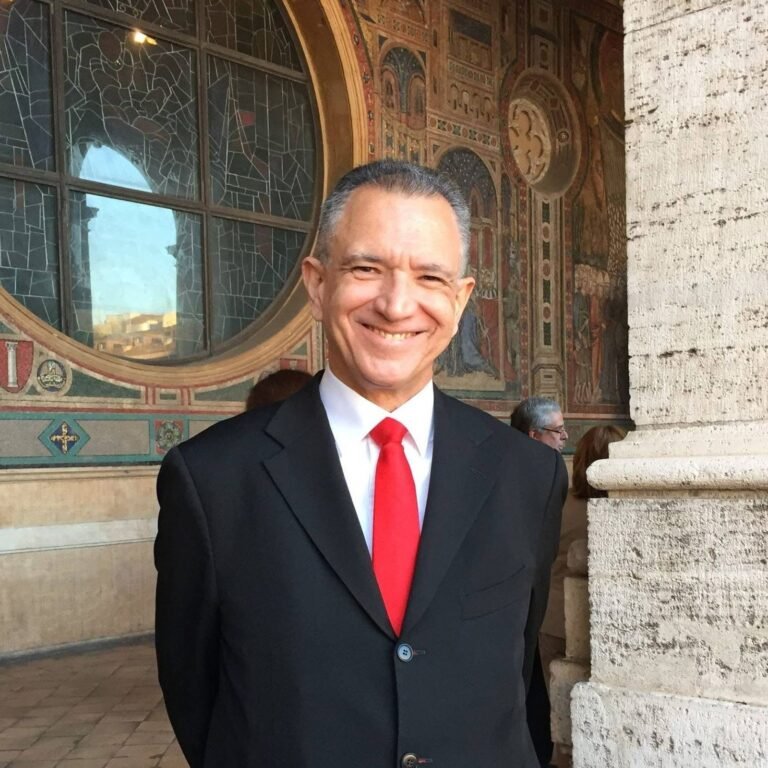
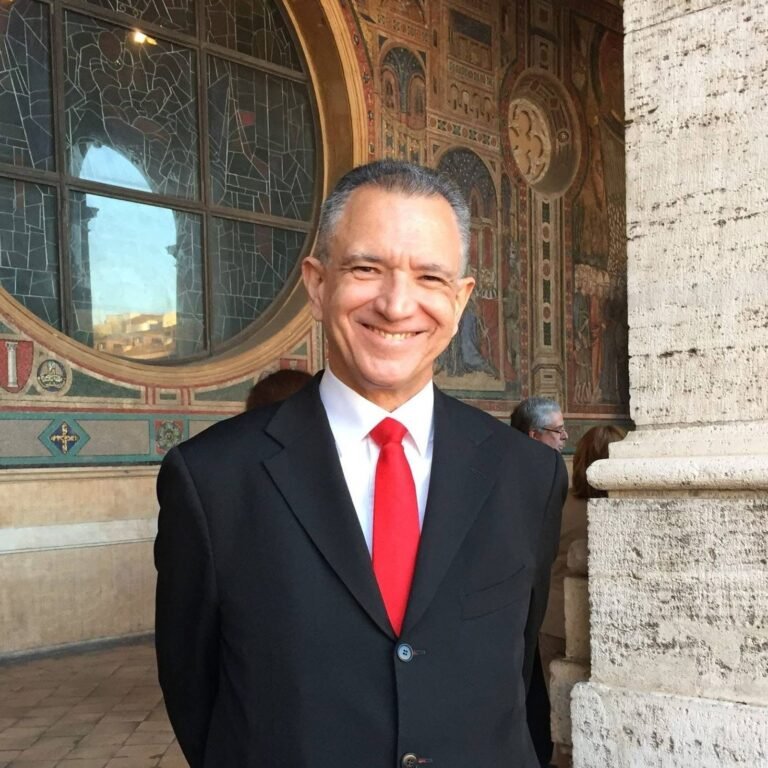
En el centro de la tormenta que hoy sacude al sistema judicial del Vaticano aparece una figura que ya no está donde estuvo: Edgar Peña Parra, antiguo sustituto de la Secretaría de Estado, hombre de poder en los años decisivos del escándalo financiero y hoy apartado de ese núcleo, enviado al servicio diplomático como nuncio.
Su salida del corazón administrativo de la Santa Sede no es un detalle menor: marca el fin de una etapa en la que, según múltiples observadores y defensas jurídicas, se gestó un expediente que con el paso del tiempo se revela cada vez más frágil, construido sobre filtraciones, testimonios contradictorios y decisiones internas que hoy pesan como una sombra sobre la credibilidad del proceso.
El plazo fijado por el tribunal de apelaciones del Vaticano para que la fiscalía depositara todas las pruebas en el llamado “juicio del siglo” ha vencido.
Y con él, se ha abierto una nueva grieta. Los fiscales, lejos de cumplir plenamente la orden, optaron por una fórmula intermedia: permitir que los jueces consulten el material, pero negarlo a la defensa, alegando que sería irrelevante o incluso peligroso para los intereses del Vaticano. No es un tecnicismo. Es el corazón del debido proceso.
Este episodio, reportado por la periodista Nicole Winfield, confirma que el caso —centrado en la inversión de 350 millones de euros en un inmueble de Londres por parte de la Secretaría de Estado— sigue siendo, más que un juicio, un campo de batalla institucional.
Conviene recordar el origen. La operación inmobiliaria, iniciada en tiempos del cardenal Angelo Becciu, fue presentada por la fiscalía como parte de una vasta conspiración para defraudar a la Santa Sede. Sin embargo, tras dos años de audiencias, en diciembre de 2023 el tribunal condenó a varios acusados por cargos financieros, pero descartó la tesis principal de un gran complot. El edificio jurídico comenzó entonces a resquebrajarse.
Desde el inicio, los abogados defensores denunciaron que no se les había permitido acceso pleno a las pruebas: interrogatorios incompletos, documentos censurados, dispositivos electrónicos retenidos. No era una objeción menor. Era la base misma de la nulidad del proceso. Durante años, la fiscalía sostuvo que esas restricciones eran necesarias para proteger otras investigaciones en curso. Pero el tiempo ha terminado por dar la razón, al menos parcialmente, a la defensa.
El 17 de marzo de este año, el tribunal de apelaciones ordenó algo inequívoco: que se entregaran “todos los actos y documentos de la investigación en su versión íntegra”. Era una orden clara, con fecha límite el 30 de abril. La respuesta de la fiscalía, al negarse a depositar el material para la defensa, ha sido interpretada como un acto de resistencia institucional.
La reacción no se hizo esperar. El abogado Luigi Panella, defensor del financiero Enrico Crasso, planteó la pregunta que resume la crisis: ¿cómo puede haber un juicio justo si el juez ve pruebas que la defensa no puede examinar? La interrogante, más que jurídica, es moral.
Otros abogados han ido más lejos. Han solicitado la anulación total del proceso, calificando la conducta de la fiscalía como sin precedentes. En el caso del cardenal Becciu, sus representantes han insistido en que la fiscalía no puede decidir unilateralmente qué documentos son relevantes. Esa selectividad, dicen, destruye el principio de igualdad entre las partes.
Pero el golpe más silencioso ha venido desde fuera del Vaticano. En Suiza, la fiscal federal Annina Scherrer archivó la investigación contra Crasso, señalando que el propio tribunal vaticano lo había absuelto de los mismos cargos. Más aún, dejó constancia de su sorpresa al revelar que solicitudes de cooperación judicial fueron bloqueadas tras pasar por la Secretaría de Estado. Esa observación introduce un elemento perturbador: la posible interferencia de una estructura administrativa en un sistema judicial que se supone independiente.
Es aquí donde la figura de Peña Parra vuelve a adquirir relevancia. Como sustituto, fue el operador clave en la maquinaria interna de la Secretaría de Estado durante los años en que se gestó la investigación. Su posición le otorgaba control sobre flujos de información, decisiones administrativas y contactos con los órganos judiciales. Hoy, fuera de ese centro de poder, el proceso parece perder cohesión, como si la arquitectura que lo sostenía hubiese sido desmontada pieza por pieza.
No se trata de absolver ni de condenar en estas líneas. Se trata de observar un fenómeno: el progresivo debilitamiento de un caso que fue presentado como ejemplar y que ahora se enfrenta a sus propias contradicciones. Cada nueva audiencia, cada nuevo documento, cada decisión judicial, refuerza la percepción de que el expediente pudo haber sido construido con más premura que rigor.
El Vaticano, que durante siglos ha sido escuela de derecho, diplomacia y prudencia institucional, enfrenta aquí un desafío mayor que un simple juicio financiero. Está en juego la credibilidad de su sistema judicial, la transparencia de su administración y la coherencia de su reforma interna.
Porque en el fondo, más allá de nombres y cifras, lo que se juzga no es solo una inversión inmobiliaria en Londres. Es la capacidad de una institución milenaria para someterse a las reglas que exige a los demás: verdad completa, pruebas accesibles y justicia sin sombras.
Y mientras el calendario avanza hacia la próxima audiencia del 22 de junio, queda flotando una certeza incómoda: cuando la justicia se construye sobre fragmentos, termina inevitablemente enfrentándose a su propio vacío.
https://cruxnow.com/vatican/2026/05/vatican-court-deadline-passes-for-prosecutors-to-deposit-all-evidence-in-financial-trial
Vatican court deadline passes for prosecutors to deposit all evidence in financial trial
Nicole Winfield
A view of St. Peter’s Basilica at the Vatican, March 11, 2020. (Credit: Andrew Medichini/AP.)
ROME — Vatican prosecutors on Thursday seemingly defied an appeals court order to turn over to the defense all the evidence gathered in the Vatican’s big financial trial, setting the stage for another clash in the long-running case.
In a three-page letter, prosecutors said they would allow the appeals court judges to consult the material. But they didn’t deposit the documentation for the defense to see in the chancery as ordered, saying it was “irrelevant” to the trial and could harm the Vatican’s interests.
It wasn’t immediately clear how the appeals court would respond. The next hearing is scheduled for June 22.
A vast inquiry
Prosecutors had acquired the material during their sprawling investigation into a 350-million-euro (around $410 million) investment by the Vatican Secretariat of State into a London property. In December 2023, after a two-year trial, a cardinal and eight other people were convicted of several financial charges. But the prosecutors’ overarching theory of a grand scheme to defraud the Holy See was thrown out.
Defense lawyers had argued from the start of the trial that their clients couldn’t get a fair trial with key evidence either redacted or withheld entirely by the prosecution. They cited in particular the full interrogations of a key prosecution witness and contents of his sequestered laptops and cellphones.
Prosecutors had argued that the redactions were necessary to preserve the integrity of other, ongoing investigations and refused an initial Oct. 6, 2021 court order to turn over the documentation.
An order to turn over the evidence
Attorney Luigi Panella, defending money manager Enrico Crasso, had argued from the very start of the trial, in July 2021, that the indictment was null because prosecutors had withheld evidence from the defense.
Five years later, the appeals court on March 17 agreed with him and other defense lawyers. The court ordered the prosecutors to deposit in the chancery “all the acts and documents of the investigation in their integral version” by April 30.
In response Thursday, the prosecutors repeated their objection to the court ruling and reasoned that the material was “irrelevant” to the case. They said it “could pose a grave danger” to the public interest, if given over to the defense lawyers. Prosecutors told the judges the material remained in their offices and was available for “consultation” to the judges via USB drive.
Court calls for retrial
The appeals court had determined that the refusal of prosecutors to provide all the evidence to the defense in the first round of the trial had nullified the original indictment. The appeals court declared a partial mistrial and ordered a retrial.
Defense lawyers said the prosecutors’ response to the appeals court order amounted to contempt.
“In what country in the world can it be that the acts (of an investigation) are shown to the judge but not to the defense?” Panella said in a telephone interview. “What concept of ‘fair trial’ can this type of statement represent?”
A request to end the trial
Attorneys Cataldo Intrieri and Massimo Bassi, defending former Vatican official Fabrizio Tirabassi, said that the prosecutors’ response was unprecedented.
“We wonder how a fair judgment can be reached under these conditions,” they said in a statement that urged the court to throw out the trial entirely.
Attorneys Fabio Viglione and Maria Concetta Marzo, representing Cardinal Angelo Becciu, said that the prosecutors’ response constituted a failure to comply with the court order.
“This is precisely the selective discretion that the court has ruled out: the prosecution cannot unilaterally decide which documents the defense has the right to access,” they said. “The right to defense, the equality of the parties, and the adversarial process require full access to the documents.”
A separate blow to the Vatican
Swiss federal prosecutors shelved an investigation initiated in 2020 after the Vatican Secretariat of State accused Crasso, its former money manager, of embezzlement, fraud and disloyal administration in a complaint filed with Swiss prosecutors. The accusations paralleled those against Crasso in the Vatican tribunal.
Crasso had managed the Secretariat of State’s assets while employed at Credit Suisse Italia and Credit Suisse in Switzerland, before he launched his own company and fund that took over the Vatican accounts.
In a decision dated April 23, Swiss federal prosecutor Annina Scherrer noted that the Vatican tribunal itself had acquitted Crasso and his company and fund of the same charges definitively and shelved the Swiss case.
But in her 31-page ruling, Scherrer noted “with a certain surprise” that her requests to Vatican prosecutors to question some of the key witnesses had been refused after clearly being sent to the Vatican Secretary of State to evaluate. She said that demonstrated the Secretariat of State’s “influence” over the entire Vatican judicial system, which is supposed to be independent.




About The Author